
- About Us
- Products
- Advantages
- Regulations
- Blogs
- Contact
-
MFCI Research Institute
MFCI Research Institute


The MFCI 2022 third quarter senior management learning meeting was successfully held.
Release time:
2022-11-01
On the afternoon of October 27, 2022, the MFCI 2022 third quarter senior management learning meeting was successfully held at the Huanggang New Binkai Walden Hotel. The meeting was hosted by Huang Yougui, Secretary-General of the Enterprise Federation, and attended by senior leaders and relevant management personnel from various companies in the group.
On the afternoon of October 27, 2022, the MFCI 2022 third quarter senior management study meeting was successfully held at the Huanggang New Binkai Walden Hotel. The meeting was hosted by Huang Yougui, Secretary-General of the Enterprise Federation, and attended by senior leaders and relevant management personnel from various companies in the group.
At the meeting, MFCI Chairman Zeng Tieming delivered a work report titled 'Reflections on Work in 2023'.He pointed out that the overall guideline for work in 2023 remains 'grasping management with one hand and development with the other', emphasizing the importance of FDA management work, and clarifying that from the group level to each company, six 'ones' must be completed in the coming year. He analyzed that the current global economic development faces many uncertainties and may enter a period of reshuffling and turbulence, presenting both crises and opportunities for the industry; in recent years, with the rise of the Chinese economy, Chinese manufacturing is moving from low-end to mid-high end.MFCI needs to build a 'research-production-supply-sales' large supply chain collaborative system to enhance the core competitiveness of the entire group and seize opportunities firmly in future competition.
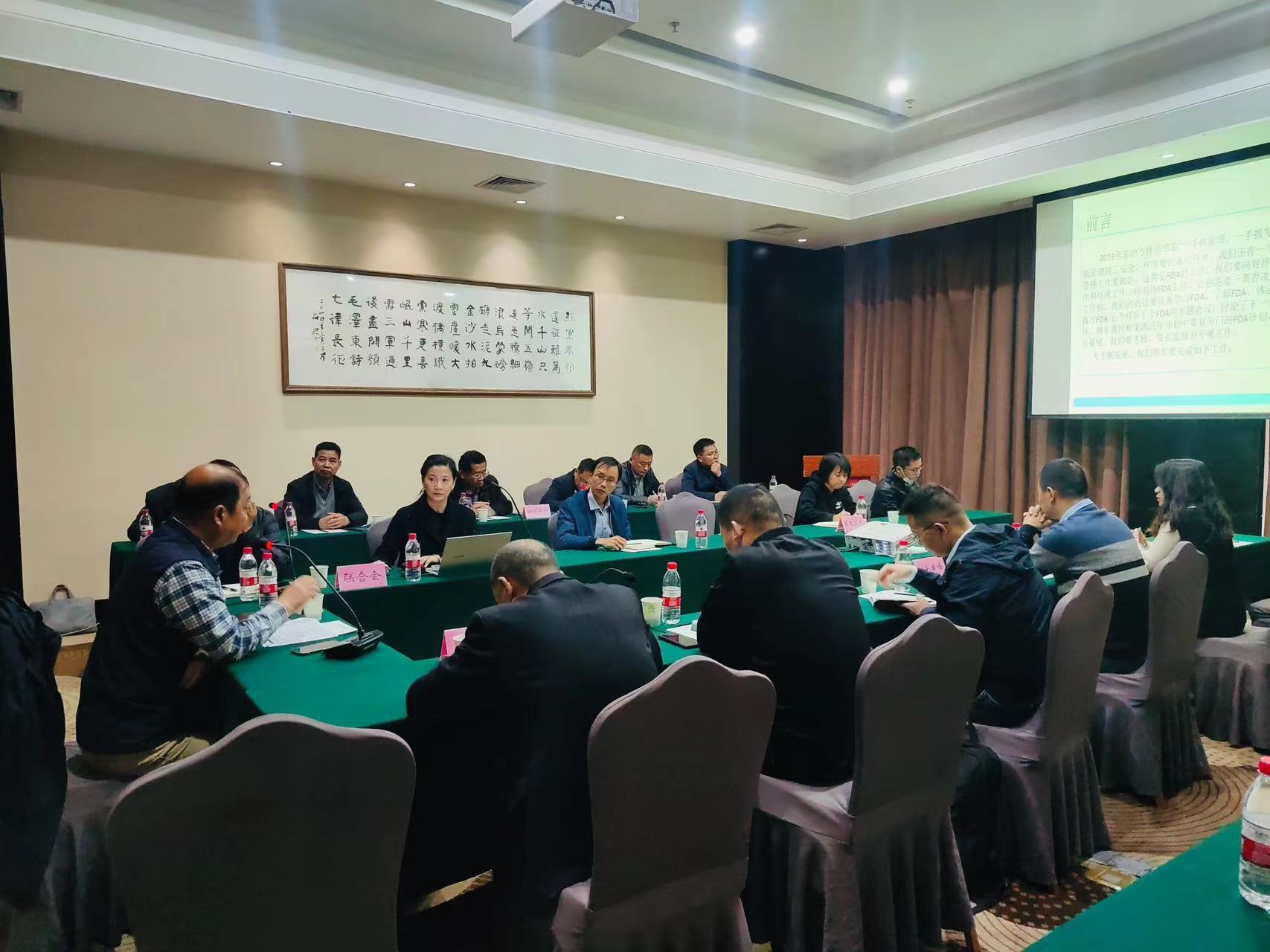
Subsequently, this study meeting invited Professor Long Tao, Dean of the School of Chemistry and Chemical Engineering at Huanggang Normal University, to deliver a professional course titled 'Jointly Managing and Building Safe, Environmentally Friendly, and High-Quality Development in Chemical Enterprises' for the company's management.
The course was divided into four main parts: 'The Development and Environmental Issues of Chemical Parks in Our Country, Environmental Management Issues and Countermeasures in Huanggang Chemical Park, How Chemical Park Enterprises Can Conduct Environmental Standardization Management, and Safety Production Issues in the Chemical Industry'.In the first part of the course, Dean Long first led everyone to understand the development overview of chemical parks in our country and summarized the environmental issues existing in chemical parks, such as the 'many and diverse' nature of chemical parks and the inadequate utilization of cluster effects; the 'green development' situation in chemical parks is severe, and the standard system is incomplete.
In response to these issues, Dean Long analyzed the '14th Five-Year Plan Guideline for Chemical Parks and the 2035 Medium and Long-Term Development Outlook' (draft for comments) from a symposium held in November 2020 in Beijing: organizing and implementing five key projects, namely, industrial upgrading and innovation project, green construction project, smart construction project, standardization construction project, and high-quality development demonstration project.In the second part of the course, Dean Long discussed the environmental management issues and countermeasures in Huanggang Chemical Park, which was also one of the key concerns of all participants. Through an analysis of the development situation and advantages of Huanggang Chemical Park, Dean Long pointed out the management issues existing in Huanggang Chemical Park, such as incomplete facilities, weak professional technology, inadequate implementation of admission standards, insufficient emergency response capabilities, inadequate management of toxic and harmful chemicals, and safety and environmental risks.
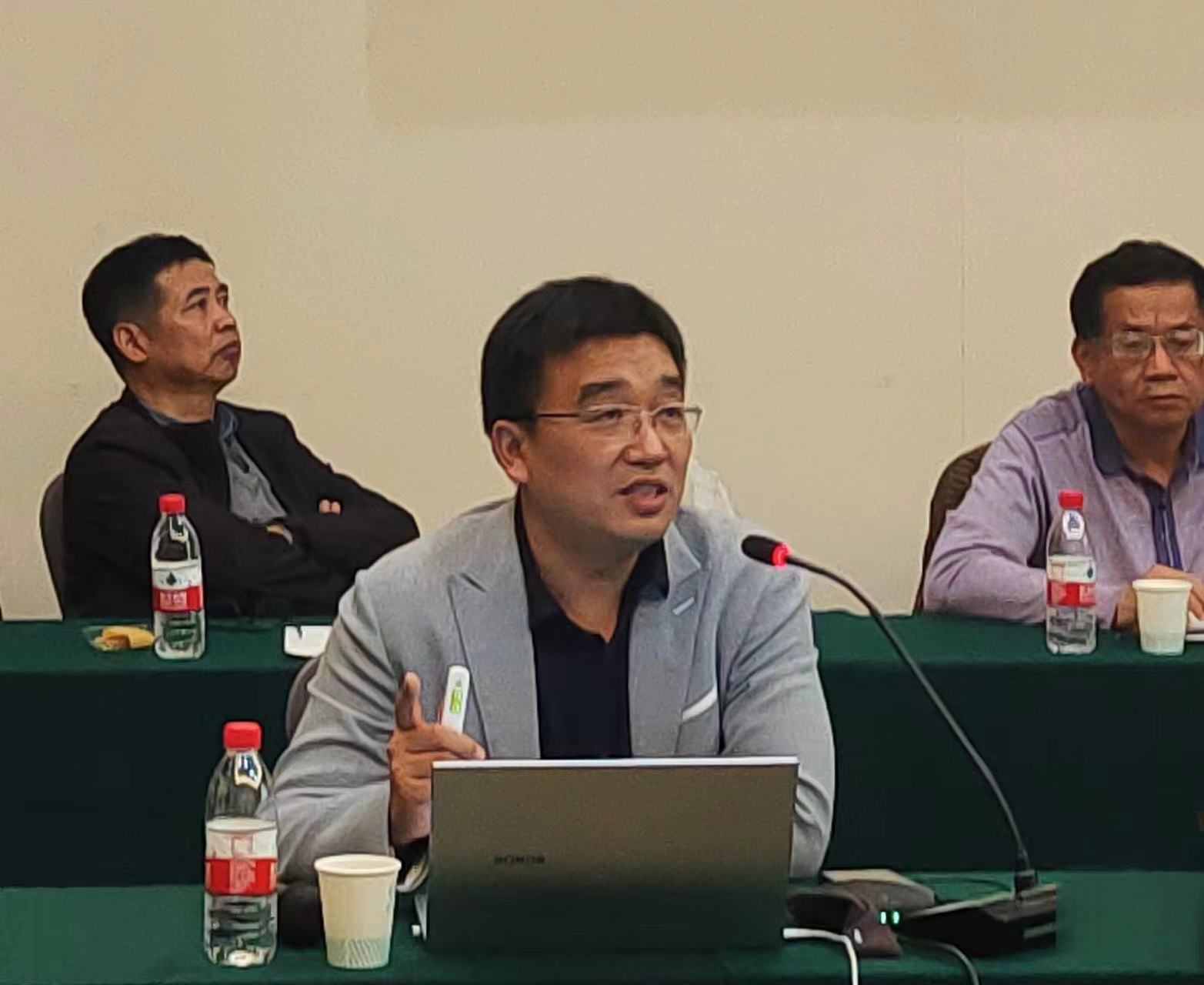
In the third part of the course, Dean Long taught from a professional perspective that chemical enterprises should achieve standardized management in areas such as 'laws and regulations and internal rules, environmental management archives, environmental permit management, pollution prevention and control management, emergency environmental incident management, clean production and resource management, and environmental information disclosure management'.
In the fourth part of the course, Dean Long summarized the issues that need attention in safety production in chemical enterprises. Accidents in the chemical industry are more serious than general fires or traffic accidents; once a chemical accident occurs, it can cause huge economic losses and significant casualties. Currently, the safety work of chemical enterprises should focus on: promoting technological progress in safety production, strengthening the safety management of hazardous chemicals, enhancing the supervision of food additive chemicals, and advocating corporate social responsibility.
After the four parts of content, Dean Long pointed out that Huanggang Chemical Park is a provincial-level specialized chemical park with scarce resources and a superior geographical location, which has great potential, but efforts are needed for high-quality development. In the future, if the government fulfills its leadership responsibilities well, industry departments fulfill their regulatory responsibilities well, enterprises fulfill their main responsibilities well, intermediary organizations fulfill their service responsibilities well, and society fulfills its public opinion supervision responsibilities well, Huanggang Chemical Park will grow into a safe, environmentally friendly, and high-quality specialized chemical park.
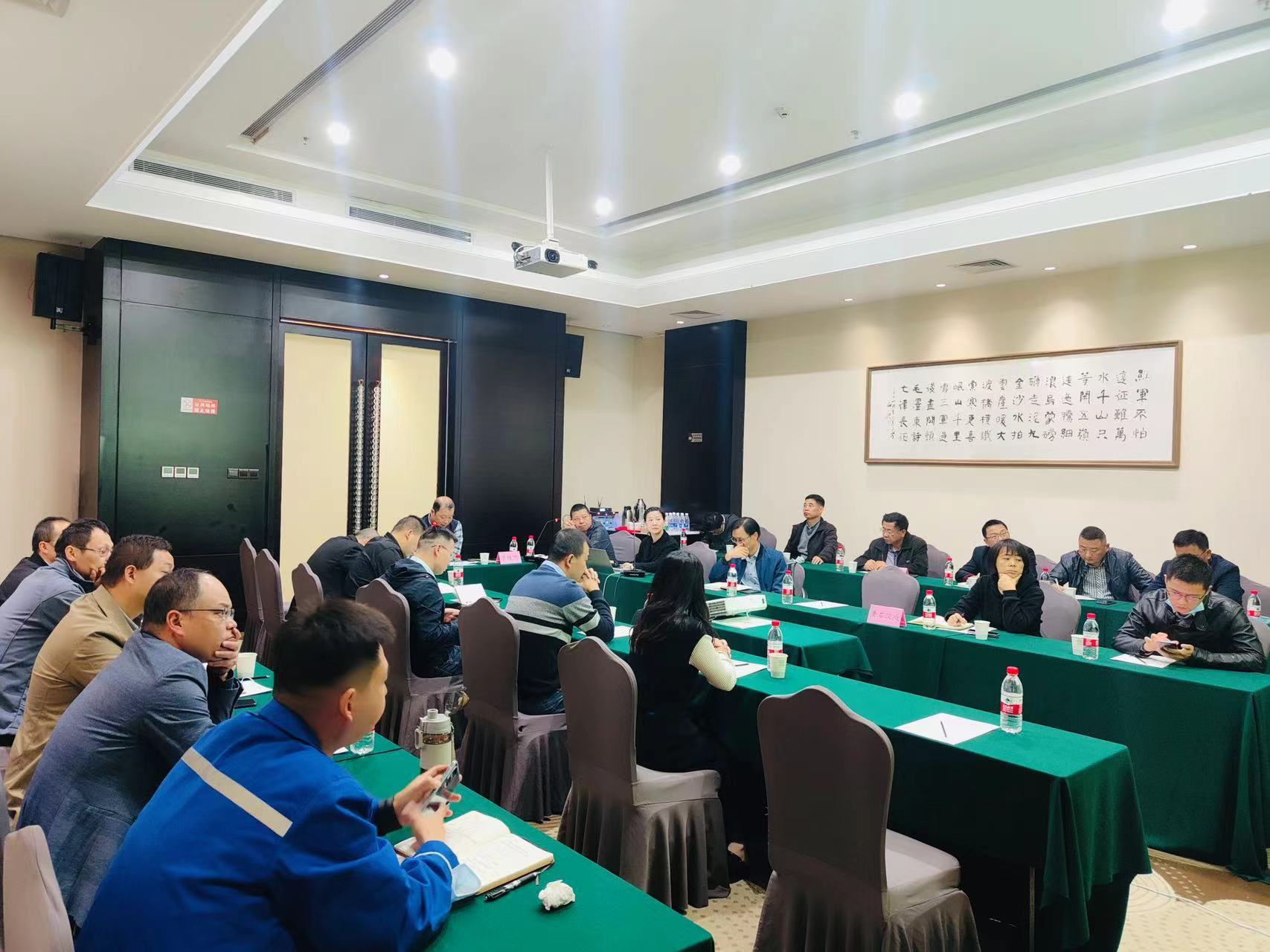
This course was rich in content, with a large amount of information, highlighted key points, and strong professionalism. It included both theoretical frameworks and practical analyses, serving as professional guidance from Dean Long on how chemical enterprises can further develop steadily under new situations and opportunities. The course content and materials are worth repeated study and reflection, and it is believed that they will bring new inspiration and ideas to the MFCI management in future management work.
此次课程内容丰富、信息量大、重点突出、专业性强,既有理论架构,也有实践分析,是龙涛院长针对化工企业在新形势、新机遇下如何进一步稳健发展的专业性指导。课程内容及课件值得反复学习思考,相信在未来的管理工作中能为MFCI管理层带来新的启发和思路。

Address: Room 2501, Block B, Wanda Office Building, 30 Huahu Avenue, Huangshi City, Hubei Province
Telephone: 86-714-6516706
E-mail:sales@mfci.com.cn